Private Label Jaggery: A Smart Choice for Food Brands
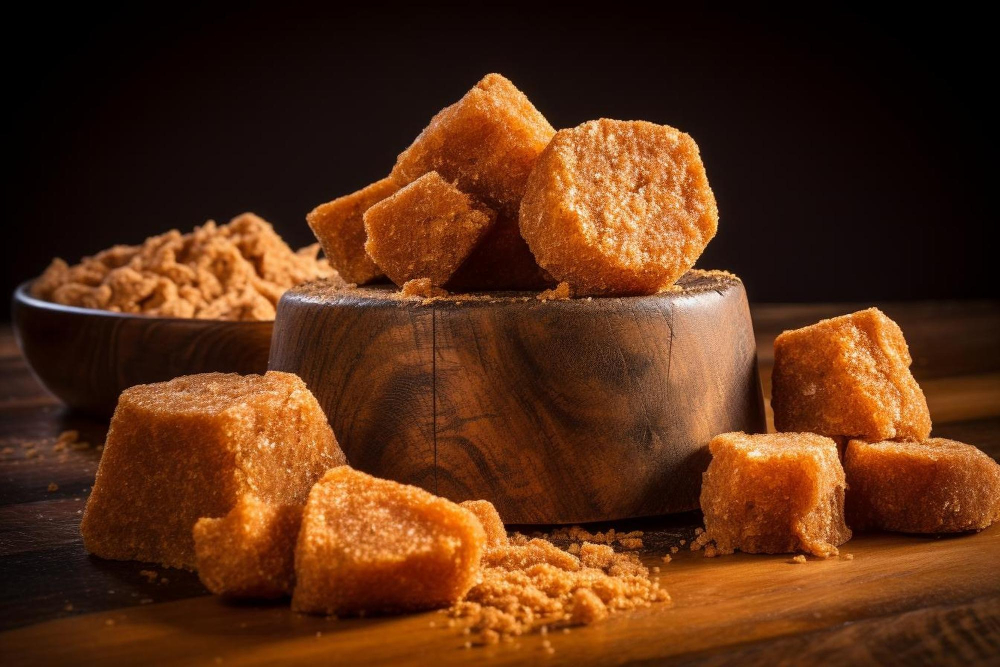
Private label and white label jaggery offer food brands, retailers, wholesalers, and distributors an opportunity to develop and market jaggery products under their own brand identity without having to establish their own sourcing and production infrastructure. For businesses entering the natural sweetener and traditional food segment, private label sourcing can simplify product development while providing greater control over branding, packaging, positioning, and market presentation. This guide explains how private label jaggery works, the different product formats that can be considered—including jaggery blocks, cubes, powder, natural brown jaggery powder, and flavoured jaggery—and the factors buyers should evaluate when selecting an export partner. It also covers important considerations such as product specifications, packaging formats, labeling requirements, minimum order quantities, quality consistency, food-safety documentation, export documentation, and logistics. By working with a capable Indian jaggery export partner, businesses can explore customized packaging and white-label solutions designed around their target market while focusing their resources on brand building, distribution, and customer development.
How to Choose a Reliable Jaggery Exporter from India
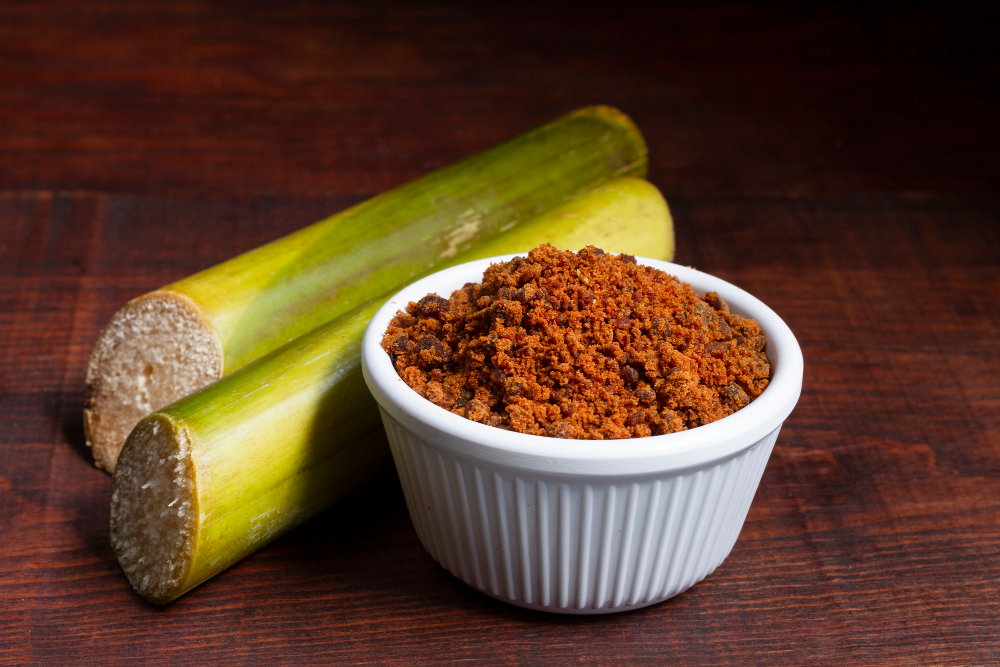
Selecting a reliable jaggery exporter from India is an important decision for importers, wholesalers, distributors, food businesses, and bulk buyers seeking consistent supply for international markets. The right export partner should be evaluated on more than product pricing alone. Buyers should consider the supplier’s product quality, consistency between batches, food-safety practices, certifications, documentation, packaging capabilities, minimum order quantities, supply capacity, communication, and ability to coordinate international shipments. It is also important to understand whether the exporter can provide different jaggery formats, such as jaggery blocks, cubes, powder, natural brown jaggery powder, and flavoured jaggery, according to the requirements of the destination market. This guide explains the key factors importers should review before finalizing a jaggery supplier, including relevant certifications and registrations, quality-control procedures, packaging and private-label options, export documentation, logistics coordination, production and sourcing capacity, and experience in handling international orders. By carefully assessing these factors, buyers can reduce sourcing risks, maintain product consistency, meet market requirements, and build a dependable long-term relationship with an Indian jaggery export partner.
Different Types of Jaggery and Their Commercial Applications
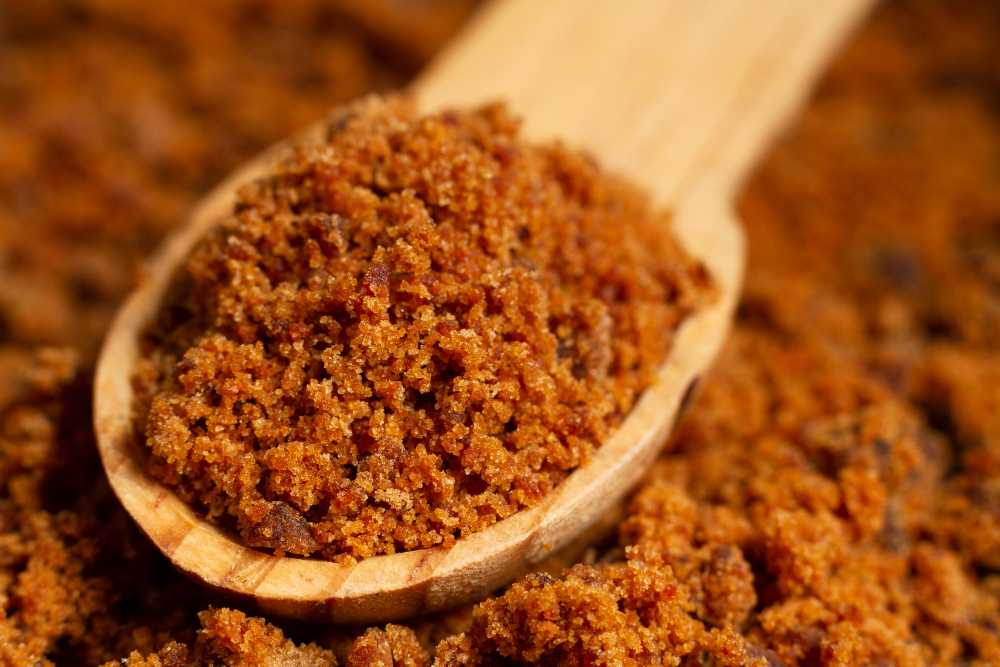
Jaggery is available in several forms, each offering different advantages for food manufacturers, wholesalers, distributors, retailers, hospitality businesses, and other commercial buyers. For international buyers sourcing jaggery from India, selecting the right format depends on the intended application, target market, packaging requirements, consumer preferences, and distribution model. This guide compares major jaggery varieties, including traditional Sugarcane Jaggery, Jaggery Powder, Jaggery Cubes, Jaggery Blocks, Natural Brown Jaggery Powder, and Flavoured Jaggery. It explains the characteristics, handling, storage, packaging possibilities, and potential commercial applications of each format, helping importers and bulk buyers determine which product is most suitable for their market. Whether the requirement is for convenient retail-ready portions, an ingredient for food and beverage production, bulk distribution, private-label products, or specialty markets, understanding the differences between jaggery formats can help buyers make more informed sourcing decisions. The guide also highlights important considerations such as consistency, product quality, shelf-life requirements, packaging options, minimum order quantities, and export documentation when developing a reliable jaggery supply chain from India.
Complete Buyer’s Guide to Importing Jaggery from India
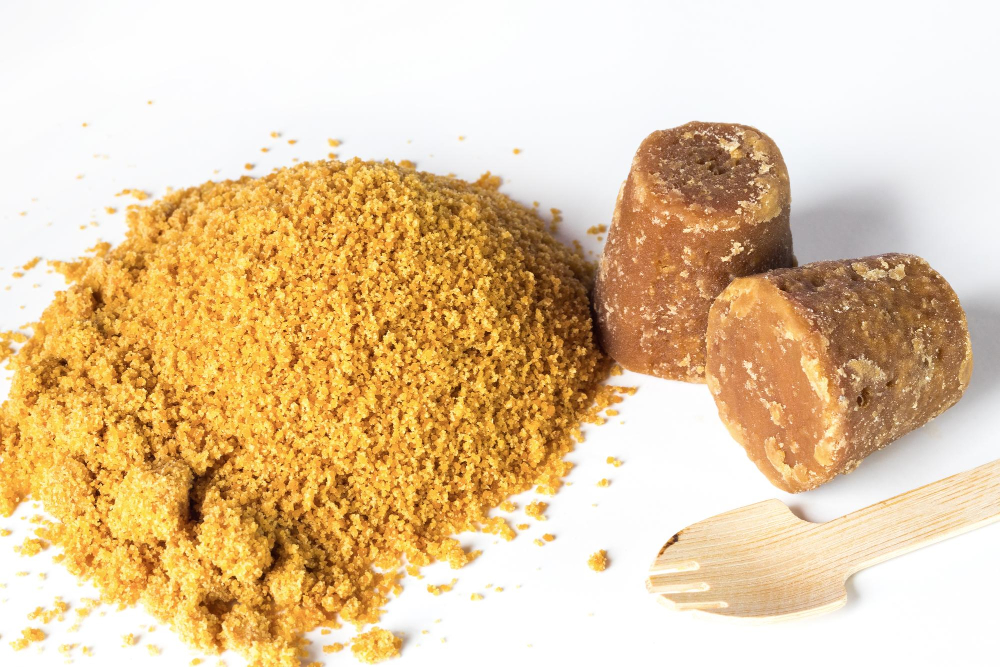
Importing jaggery from India can be a valuable sourcing opportunity for international wholesalers, distributors, food businesses, and bulk buyers looking for a natural sweetener with diverse commercial applications. However, successful sourcing requires buyers to evaluate more than price and product availability. This comprehensive guide explains the key factors international buyers should consider when importing Indian jaggery, including jaggery quality, product varieties, moisture and consistency, color and taste, hygiene and food-safety requirements, packaging formats, private or white-label options, minimum order quantities, supplier capacity, certifications, export documentation, customs requirements, freight and shipping coordination, and delivery planning. It also covers important considerations when sourcing different forms of jaggery, such as jaggery cubes, blocks, powder, flavored jaggery, and natural brown jaggery powder. By understanding these factors before placing a bulk order, importers can compare suppliers more effectively, reduce sourcing risks, ensure documentation is properly prepared, and establish a reliable long-term supply relationship with an Indian export partner.