Private Label Terry Towels: Grow Your Brand with Indian Suppliers
Private label terry towels can be an effective way for retailers, hospitality businesses, wholesalers, distributors, and lifestyle brands to develop a distinctive product range under their own brand name. Instead of selling standard, unbranded towels, businesses can work with an Indian export partner to specify product characteristics and create packaging and presentation that align with their target market. This guide explores the key aspects of private label terry towel sourcing, including towel types, cotton quality, GSM, sizes, colors, stitching and finishing, custom branding, embroidery or labeling requirements, packaging formats, product labels, and bulk-order specifications. It also explains how Indian towel suppliers and export partners can support businesses looking for scalable sourcing, competitive manufacturing ecosystems, product variety, and customized commercial solutions. For importers and brands, private labeling can provide greater control over how the product is positioned in the market while allowing them to build a consistent range across bath towels, hand towels, face towels, beach towels, gym towels, and pool towels. The guide also highlights important considerations when selecting an Indian supply partner, including quality consistency, production capacity, minimum order quantities, communication, documentation, packaging capabilities, and international logistics. With the right specifications and a dependable export partner, private label terry towels can become a practical addition to a retailer’s or distributor’s product portfolio and support long-term brand development.
Choosing the Right Terry Towels for Hotels and Hospitality

Selecting the right terry towels is essential for hotels, resorts, spas, gyms, and other hospitality businesses where quality, comfort, and durability directly influence the guest experience. Hospitality buyers need to consider several factors beyond appearance, including towel absorbency, softness, fabric quality, GSM, stitching, size, drying performance, color consistency, and resistance to frequent washing and commercial laundering. This guide helps hotel and hospitality procurement teams understand how to evaluate terry towels according to their specific requirements, whether they need bath towels, hand towels, face towels, pool towels, beach towels, or gym towels. It also explains how choosing the appropriate cotton quality, construction, specifications, packaging, and bulk supply partner can help businesses maintain consistent towel performance while managing long-term procurement costs. For wholesalers, distributors, and hospitality buyers sourcing towels in bulk, understanding these factors can make it easier to select products that deliver reliable performance, comfort, and value across repeated commercial use.
Understanding GSM in Terry Towels: Which Weight Is Right?
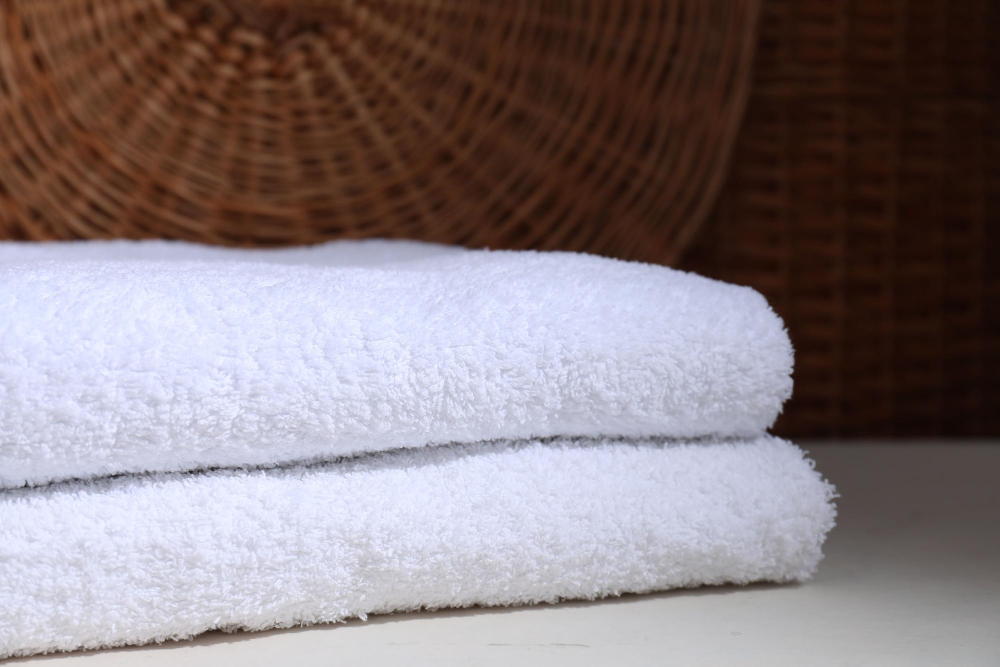
GSM, or grams per square metre, is one of the most important specifications to understand when purchasing terry towels in bulk. It indicates the weight and density of the towel fabric and can influence its thickness, softness, absorbency, drying time, durability, and overall feel. For importers, wholesalers, hotels, resorts, gyms, retailers, distributors, and promotional-product buyers, selecting the appropriate GSM is essential because the ideal towel specification depends on how the product will be used. Lower-GSM towels may be suitable for lightweight, quick-drying, travel, gym, or promotional applications, while medium-GSM towels can provide a practical balance between comfort, absorbency, durability, and cost for everyday commercial use. Higher-GSM towels generally offer a heavier and more luxurious feel and may be preferred by hotels, resorts, spas, and premium hospitality businesses. This guide explains how GSM affects terry towel performance and what buyers should consider alongside GSM, including cotton quality, yarn construction, absorbency, size, stitching, laundering requirements, packaging, and target market expectations. By understanding GSM and matching it with the intended application, international buyers can specify terry towels more accurately and select products that offer the right balance of performance, comfort, durability, and commercial value.
Terry Towels Buying Guide for Importers and Wholesalers
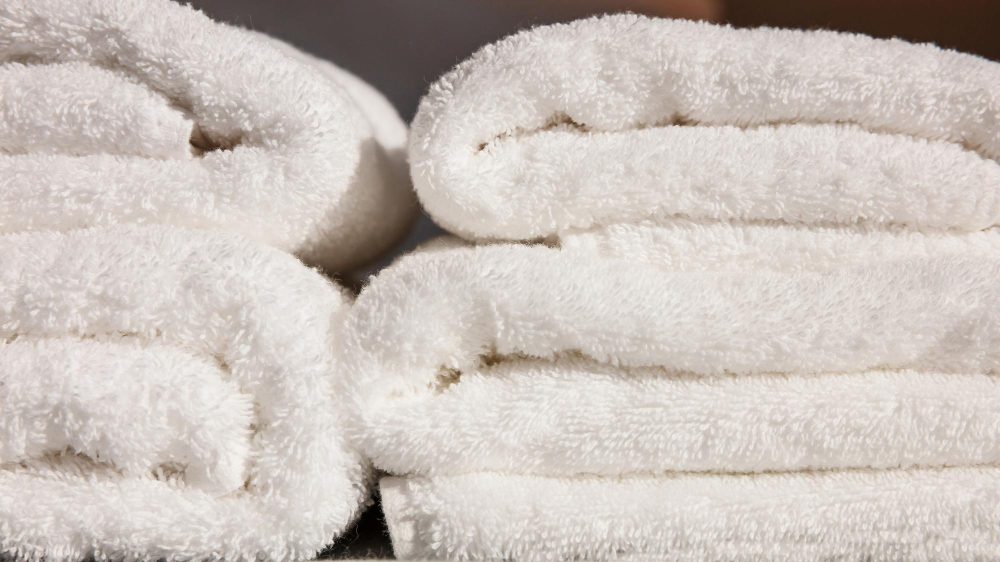
For importers, wholesalers, distributors, hospitality businesses, and institutional buyers, selecting the right terry towels requires careful consideration of product specifications, quality, commercial requirements, and supplier capabilities. Terry towels can vary significantly in terms of fabric composition, GSM, softness, absorbency, construction, size, stitching, finishing, and overall durability. This practical buying guide explains the key factors buyers should evaluate before placing a bulk order, including the differences between bath towels, hand towels, face towels, beach towels, gym towels, pool towels, and other commercial towel formats. It also covers how GSM influences towel weight, feel, absorbency, and intended use; why cotton quality matters for comfort and durability; and what buyers should consider regarding color, finishing, packaging, labeling, and private-label requirements. In addition, the guide discusses minimum order quantities, supply capacity, quality consistency, documentation, communication, and logistics when selecting a reliable Indian towel export partner. Understanding these factors can help international buyers compare suppliers more effectively, choose specifications suited to their target market, and establish a dependable bulk sourcing process for long-term commercial requirements.